The Challenge of Critical Thinking in EMS

This article first appeared in “Ambulance Today UK” – August 2019 edition

We will be exploring the advantages of being a critical thinking emergency medicine practitioner, and how it can positively benefit, us, our colleagues and our patients; and most importantly why we don’t really have an option, but to be critical thinkers.

 In Rosen’s Emergency Medicine, Chapman, et al, describes the critical thinking process as having three parts: medical inquiry (history, physical exam and diagnostic testing), clinical decision-making (a cognitive process that evaluates information to diagnose or manage a patient’s condition) and clinical reasoning, which involves both medical inquiry and clinical decision-making.

The challenge of the EMS educator/facilitator is how to instil those three concepts into the practitioner’s patient care approach, as the result will be a more focussed practitioner who has learnt the value of critical thinking and life-long learning. Critically Thinking is to be desired by EMS providers at every level, yet the concept isn’t easily defined, quantified or taught.

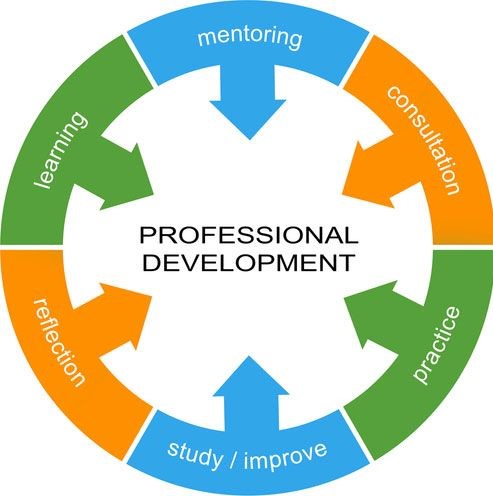
That’s because critical thinking only becomes real in practice; clinicians, critical and lateral thinkers are moulded in the field. Theory, guidelines, protocols, linear thinking is learnt in the classroom. That is not to downplay the importance of class time, as that is the foundation on which critical thinking rests. What follows on, is experience, continuing education, currency of competency and clinical mentoring. Learning that patient treatment plans fit into the continuum of clinical reasoning, as all patients are different. On the streets, patients don’t follow the script as per your last patient simulation. Thus, the gravity of responsibility you have, becomes intimidating.
Carl von Clausewitz, in his treatise “On War” wrote “Any complex activity, if it is to be carried on with any degree of virtuosity, calls for appropriate gifts of intellect and temperament.”

This doesn’t mean that everyone who learns something, immediately becomes an expert. For the lifelong learner, everyone has something of value to contribute, irrespective of what environment or years of experience are on the table. Part of lifelong learning is contributing to the pool of knowledge. Effective teaching, just like effective learning, begins with listening before talking. Lifelong learning is a commitment to taking moments out of each day, reflecting on the processes and patients, pushing to improve our knowledge, skills, patient care and attitudes.

Every patient contact is a clinical mystery waiting to be solved, by you the (detective) practitioner. They are relying on your educational experience, critical thinking, your knowledge that you integrate and update continuously – right down to that “interesting paper” you read last night! No patients are created equal, today’s cardiac patient will not match tomorrows, not all cardiac arrests are equal. Hence, we cannot rely on overly simplistic guidelines/protocols We need to critically analyse each patient, rhythm strip, against our font of knowledge and our vested clinical practice guidelines.

Critical thinking skills ask of us, to use our brain, and not blindly follow a pre-set protocol; evidence-based medicine keeps changing and – using one’s brain as opposed to blindly following a protocol would be short sighted and not always in the best interest of optimal patient outcomes. Seeking, questioning, evaluating, integrating and sharing every day, is an opportunity to get better at our passion (chosen profession), where patients rely on us for their lives. Knowledge and decision-making should be based on clinical findings on that case on that day, it’s not just a set of psychomotor skills and blindly followed protocols.
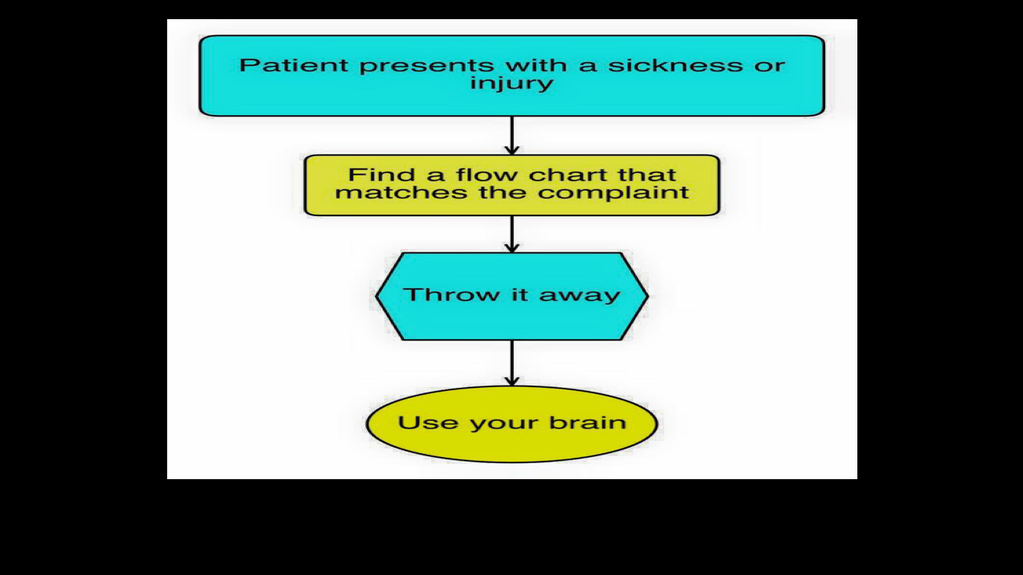
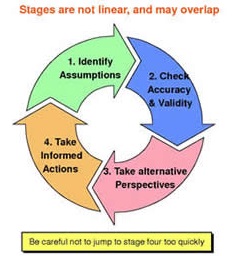
As a thoughtful science-based practitioner, learn to be iconoclastic, adopt a questioning, reflective approach to your practice. My mantra when looking at new and/or challenging concepts/modalities is as follows:

Is it evidence based, current, documented, cross referenced and is there a perceived bias (mine or the writers)?

All pre-hospital emergency care practitioners should strive to be clinicians/critical thinkers, irrespective of their level of care, age or experience. Continuous lifelong learning ensures competence and confidence, allowing you to have the lateral thinking skills to break the linear cookbook approach to patient care.
So, where to from here?

“Paramedics displayed the ability to problem solve, critically analyse, perform complex reasoning and work cohesively with the patient as well as in a group. They were adept at rapidly forming clinical impressions in the critically ill with minimal information, and were able to modulate their interventions accordingly, while simultaneously continuing to gather data as they performed life-saving measures. Experienced paramedics are seen to gather, process and utilise information differently to the new graduate, portraying an interconnectedness of conscious and sub-conscious processing drawing on information from multiple sources culminating from both professional and personal experiences.”

Paramedic judgement, decision-making and cognitive processing: a review of the literature Australasian Journal of Paramedicine: 2019;16 Meriem Perona, Muhammad Aziz Rahman, Peter O’Meara BHA

The implications of this need to be reflected in our practice through ongoing mentoring, partnering the experienced with the novice, reflection and feedback post scene time, all which will go some way to encourage improvement in skills, competency and learning, which then translates into improved patient outcomes.
The LIFTMOR Randomised Controlled Trial

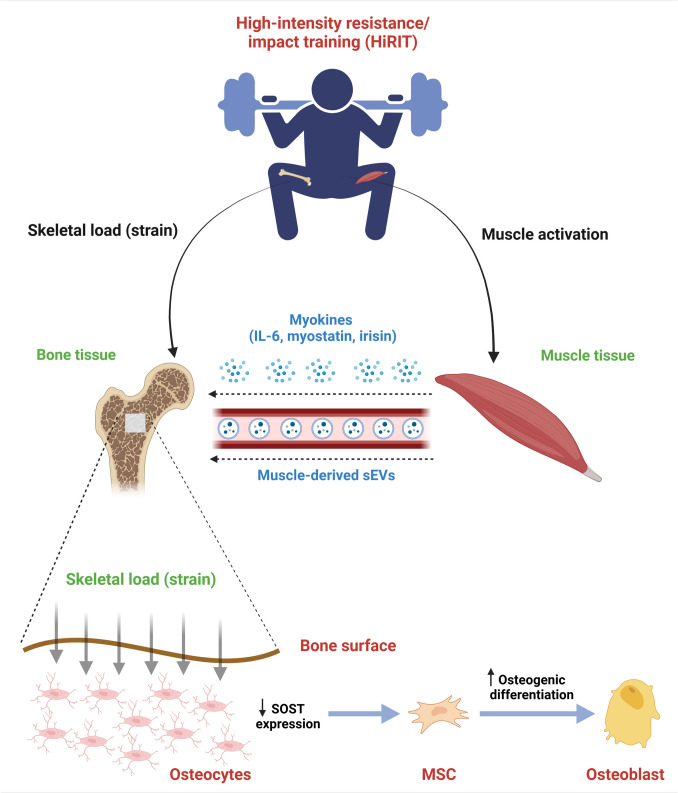
The LIFTMOR trial results are overwhelmingly good, delivering a groundbreaking shift in how medical professionals approach exercise for bone health. Published in the Journal of Bone and Mineral Research, the LIFTMOR Randomized Controlled Trial proved that high-intensity resistance and impact training (HiRIT) safely increases bone density in postmenopausal women and men with osteopenia or osteoporosis. Women with osteopenia or osteoporosis have traditionally been advised to exercise cautiously and avoid heavy lifting. LIFTMOR  challenges this approach, by asking an important question: Can postmenopausal women with low bone density safely lift heavy enough to stimulate stronger bones?

Core Study Design

LIFTMOR stands for Lifting Intervention for Training Muscle and Osteoporosis Rehabilitation. This randomized controlled trial included 101 postmenopausal women with an average age of 65. All had osteopenia or osteoporosis at the hip, spine, or both. The LIFTMOR trial was a high-quality research investigation of exercise for postmenopausal women with low bone mass.

  • Participants: 101 postmenopausal women with osteopenia or osteoporosis (average age 65).
  • Intervention: High-Intensity Resistance and Impact Training (HiRIT).
  • Comparison: A low-intensity home-based exercise control group.
  • Frequency: Twice weekly for 30 minutes, over an 8-month period.

Key Exercises Used

  • Barbell deadlifts
  • Back squats
  • Overhead military presses
  • Jumping chin-ups with drop landings (for impact loading) 

The Core Results

Prior to this trial, medical guidance typically restricted individuals with low bone density to gentle, low-impact movements out of fear of causing fractures. The trial compared an 8-month, twice-weekly program of heavy compound lifting (at 80–85% of 1-repetition maximum) against a low-intensity, home-based routine.

The findings dramatically favoured the heavy lifting group:

  • Functional Performance: Participants showed vast improvements in stature (height retention), back and leg strength, and functional balance metrics, which directly reduces fall risks.
  • Exceptional Safety: Under expert supervision, there were zero fractures and only one reported minor adverse event (a temporary lower back spasm) during the primary trial.

The Caveat: “Good” Comes With Strict Conditions

While the data itself is highly positive, physical therapists and bone health experts emphasize that the protocol is only “good” if executed under specific parameters:

  • Expert Supervision is Mandatory: The exercises utilized—barbell back squats, deadlifts, overhead presses, and jumping chin-ups with flat-footed landings—carry high structural risks if alignment is lost.
  • Prior Screening: The original trial rigorously screened participants to filter out severe comorbidities. Undertaking this exact protocol at home without an assessment or professional coaching introduces a high risk of vertebral compression fractures or joint strain.

The high-intensity program centred on four movements: the deadlift, back squat, overhead press, and a jumping chin-up with a drop landing.

After an initial period focused on learning proper technique, the three resistance exercises were performed for five sets of five repetitions at greater than 80–85% of one-repetition maximum. In practical terms, these were genuinely heavy loads—not light weights performed for many repetitions.

What did the researchers find?

  • Bone Density: The HiRIT group gained roughly 3% to 4% in lumbar spine bone mineral density and about 2% in the femoral neck (hip), whereas the control group continued to lose bone density.
  • Physical Function: Marked improvements occurred in functional performance, dynamic balance, and muscular strength (gains of 25–35%).
  • Safety: The high-intensity regimen was well-tolerated with high compliance and virtually no serious adverse events under professional supervision.

After eight months, lumbar-spine bone mineral density increased by approximately 2.9% in the high-intensity group. In contrast, the low-intensity group lost about 1.2%.

At the femoral neck, bone density was essentially maintained in the high-intensity group, increasing by approximately 0.3%, while the control group lost approximately 1.9%. Preventing the expected decline at the hip may itself be an important benefit.

The high-intensity group also demonstrated favourable changes in femoral-neck cortical thickness. Cortical bone forms the strong outer shell of bone and contributes substantially to the hip’s ability to tolerate loading.

More than stronger bones

LIFTMOR also produced substantial improvements in physical function. Leg and back-extensor strength increased by approximately 35–36%, and participants improved their sit-to-stand ability, functional reach, mobility, and vertical-jump performance.

This matters because fracture risk is influenced by more than bone density. Strength, balance, mobility, and the ability to recover from a misstep can all affect the likelihood of falling—and whether a fall results in injury.

The Bottom Line

The LIFTMOR trial helped overturn the assumption that women with low bone density should train only with light weights. Its message is not simply “lift heavy.”

With appropriate screening, progressive loading, excellent technique, and qualified supervision, postmenopausal women can train at high intensity—and may meaningfully improve bone density, strength, and physical function. For more info or one to one consults please reach out ..

References:

https://pubmed.ncbi.nlm.nih.gov/28975661

https://pubmed.ncbi.nlm.nih.gov/30861219

https://pubmed.ncbi.nlm.nih.gov/29125144

https://pubmed.ncbi.nlm.nih.gov/36310762

Time to Reset One’s Brain (and the world we live in)

Resetting your brain means breaking the cycle of constant stimulation, decision fatigue, and cognitive overload. In nature, we get the opportunity to go unfettered from the world’s illusory urgencies that so easily hijack the everyday mind and syphon our attention away from its best creative contribution to that very world and its needs. When one surrenders to “soft fascination”—like watching leaves ripple or clouds drift— one’s voluntary, effortful attention rests, allowing our involuntary attention to take over. This shift does not drain our energy; it restores our cognitive reserves, lowers cortisol, and gives our brain’s Default Mode Network (DMN) the space to link unrelated concepts, which is the exact mechanism behind creative breakthroughs.

Henry David Thoreau (July 12, 1817–May 6, 1862) reverenced trees as living incantations, wordless prayers, benedictions for the art of being. In their company, he found a counterpoint to the falsehoods of society. They were creative and spiritual companions, sane-making and essential. His love of them comes alive in “Thoreau and the Language of Trees”. Almost 100 years later Rachel Carson released her groundbreaking book “Silent Spring”, which was the catalyst  that ignited the conservation movement and awakened the modern environmental consciousness.

“It seems reasonable to believe — and I do believe — that the more clearly, we can focus our attention on the wonders and realities of the universe about us the less taste we shall have for the destruction of our race. Wonder and humility are wholesome emotions, and they do not exist side by side with a lust for destruction”

When we have learnt to listen to tree’s, then we will have come full circle and will be home; that will be our happiness, our ultimate destination, to paraphrase and add my understanding of Herman Hesse’s words.

“The exceeding beauty of the earth, in her splendour of life, yields a new thought with every petal,”. The hours when the mind is absorbed by beauty are the only hours when we really live.” – Richard Jefferies

The desire and need to return to ourselves by surrendering to the natural world, by granting reality and life to others to expand our own. This is the point where attention restoration meets deep empathy. By stepping away from artificial demands and surrendering to the natural world, we quiet our defensive, ego-driven thoughts. This mental space allows us to recognize that our individual reality is just one part of a vast network, helping us grant full validity to the lives of those around us. When one extends this level of reality to others, our own worldview expands, transforming a simple mental break into a profound creative and philosophical awakening.

As you ponder, take time to reflect on this moment and the words of Alan Watts:

“Life and Reality are not things you can have for yourself unless you accord them to all others,”

A Snapshot of my life in EMS

When experience is tossed aside in the pursuit of financial gain and not patient gain |Tales from my stethoscope | Mike Emmerich |#Podcast |#ebizradio

36 years working in the Emergency Medical Services; thousands of patients; endless months in remote locations. Listen to Mike Emmerich’s story.

https://www.ebizradio.com/when-experience-is-tossed-aside-in-the-pursuit-of-financial-gain-and-not-patient-gain-tales-from-my-stethoscope-mike-emmerich-podcast-ebizradio/

© 2021 michael d emmerich
© 2021 mikesnexus.com

Lost and Found in the Time of Covid

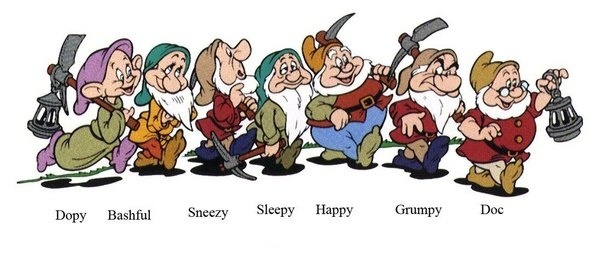
At times I am not sure if I am stuck in Dante’s first circle of Hell; Limbo, or one of Poe’s 7 rooms in “The Masque of the Red Death” or in some strange sick way stuck with just the 7 dwarfs, or one of them, on any given day….

7 of something

Covid has kept me trapped or should I say locked in and locked out – locked in Saudi Arabia and locked out of South Africa; the irony is that they are both abbreviated to SA. Stuck in SA, whilst trying to get to SA – a perpetual state of limbo. The pandemic is so representative of Poe’s writings – representing the typical attributes of human life and mortality, which would imply that Covid could be an allegory about man’s futile attempts to stave off the inevitable, death. Yet, as we might expect, there is no locking out or blotting out death. By the end of the outbreak, it will have broken down the walls of each castle, despite our best efforts to hold it at bay.

But this is no allegory, this is real life, and its effects on so many; the infected, the cured, the healthy, the untouched, the medical teams; is significant, life changing and life ending.

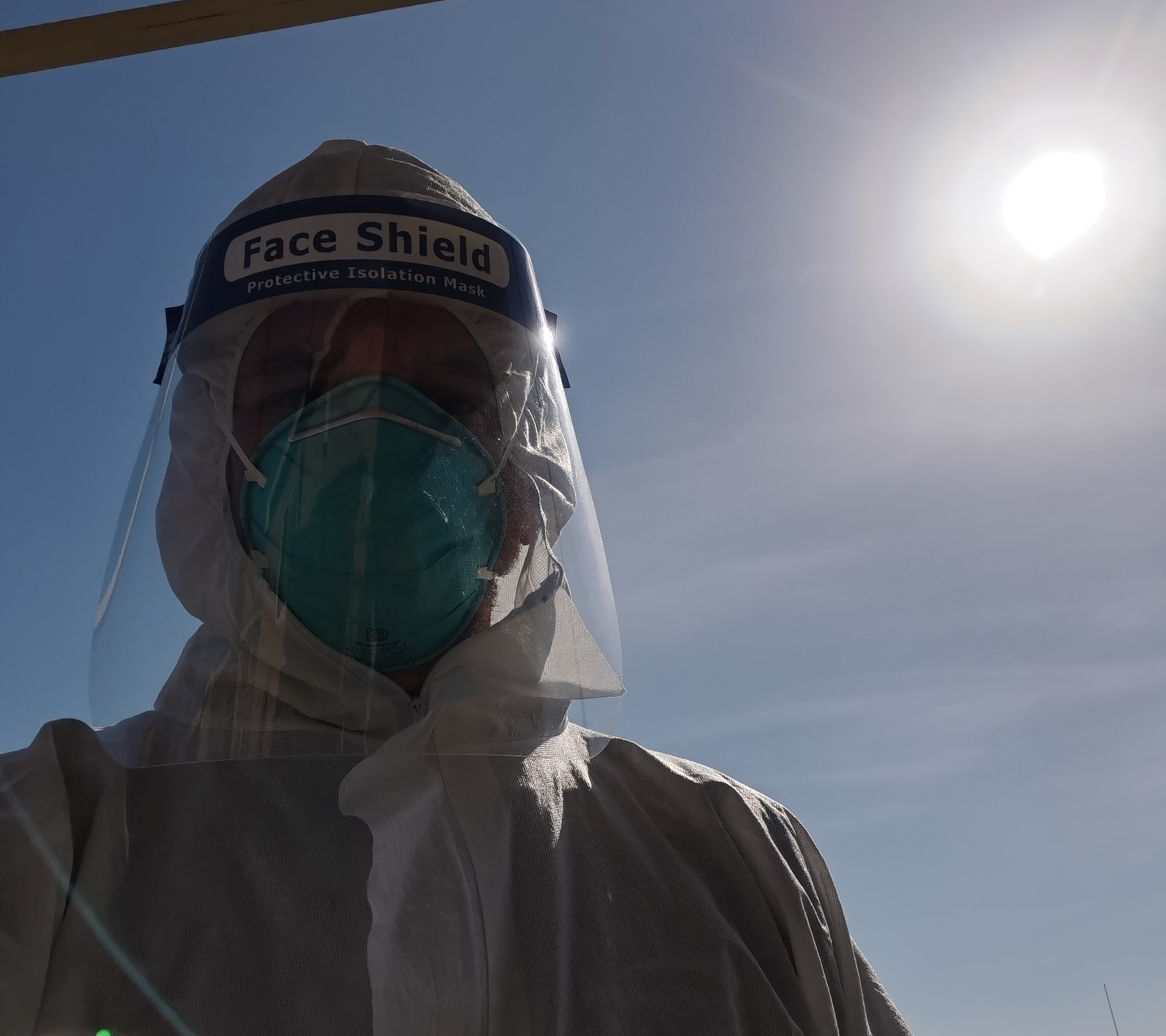
I have been on the road these past 9 months, starting in Iraq and ending in Saudi. Arrived in Saudi in early January and still here, with no end in sight. Home awaits, when flights and countries unlock, until then its working in a Covid rich country. I have been on 2 different projects, and exposed to the ways of Covid, from overseeing an outbreak from afar due to lockdown and curfews and then to being at the coalface of one, albeit a small outbreak. Been in lock down and then isolation, been on the road and in camps with outbreaks. The pressure has been continuous and relentless, what with all of the above and then also at times, wearing full medical PPE, double gloved, double masked with a face shield in 40 deg heat testing and monitoring people. Yes, you can breathe quiet well in a double mask (surgical and N95) with a face shield in 40˚ C heat for a few hours. Rather that, than to be intubated and ventilated.

mike in full ppe

Quantum_Conundrum_cover

One of the issues at the forefront of one’s mind is when do I get to detach from this dystopian nightmare and get to go home and rest. Working 6 to 7 days a week, week in and week out, some days are quiet while others drag into 18- or 20-hour marathons. The answer is the same as “how long is a piece of string” conundrum.

Compared to running a race with no defined finish line, you have no way to know how to pace yourself and what must be kept in reserve for the last lap and sprint across the line.

So now that I have spoken about being lost, what have I found/witnessed/seen during this time? I have found friends in places I never thought I would, have tapped the reserves of resilience I never  knew I had, seen (once again) the banality of corporate deceit and greed (which is not a new experience for me, but just depressing to witness in times of need and in a disaster), seen the compassion and care of dedicated medical professionals working with limited resources in difficult environments.

Personally, and professionally I have had to stretch the boundaries of my knowledge, patience, and energy levels; to keep pace with the ever-changing environments, locations, working hours and unimaginable stress from unexpected quarters. I have had to rely on my tried and trusted coping mechanisms. The journey has dragged me to revisit and explore new and old coping processes to get through the long grind away from home and my safe place.

No matter how bitter, maudlin, depressing this journey has been I must focus on the good that has come out of it, and that will be my guiding star.

“Midway along the journey of our life
I woke to find myself in a dark wood,
for I had wandered off from the straight path.

How hard it is to tell what it was like,
this wood of wilderness, savage and stubborn
(the thought of it brings back all my old fears),

a bitter place! Death could scarce be bitterer.
But if I would show the good that came of it
I must talk about things other than the good.”

Dante Alighieri

or in the words of Eros Ramazzotti from his song, Lettera al future/Letter to the future – loosely based around “The Masque of the Red Death”

Eros Ramazzotti Lettera al future/Letter to the future

I am writing all this to you

who will be born someday in the future

be kind

and who knows how things will be

if this wind will have left the cities…

I don’t know the world you’ll find

I just hope you’ll be

the son of a new

and more fair humanity

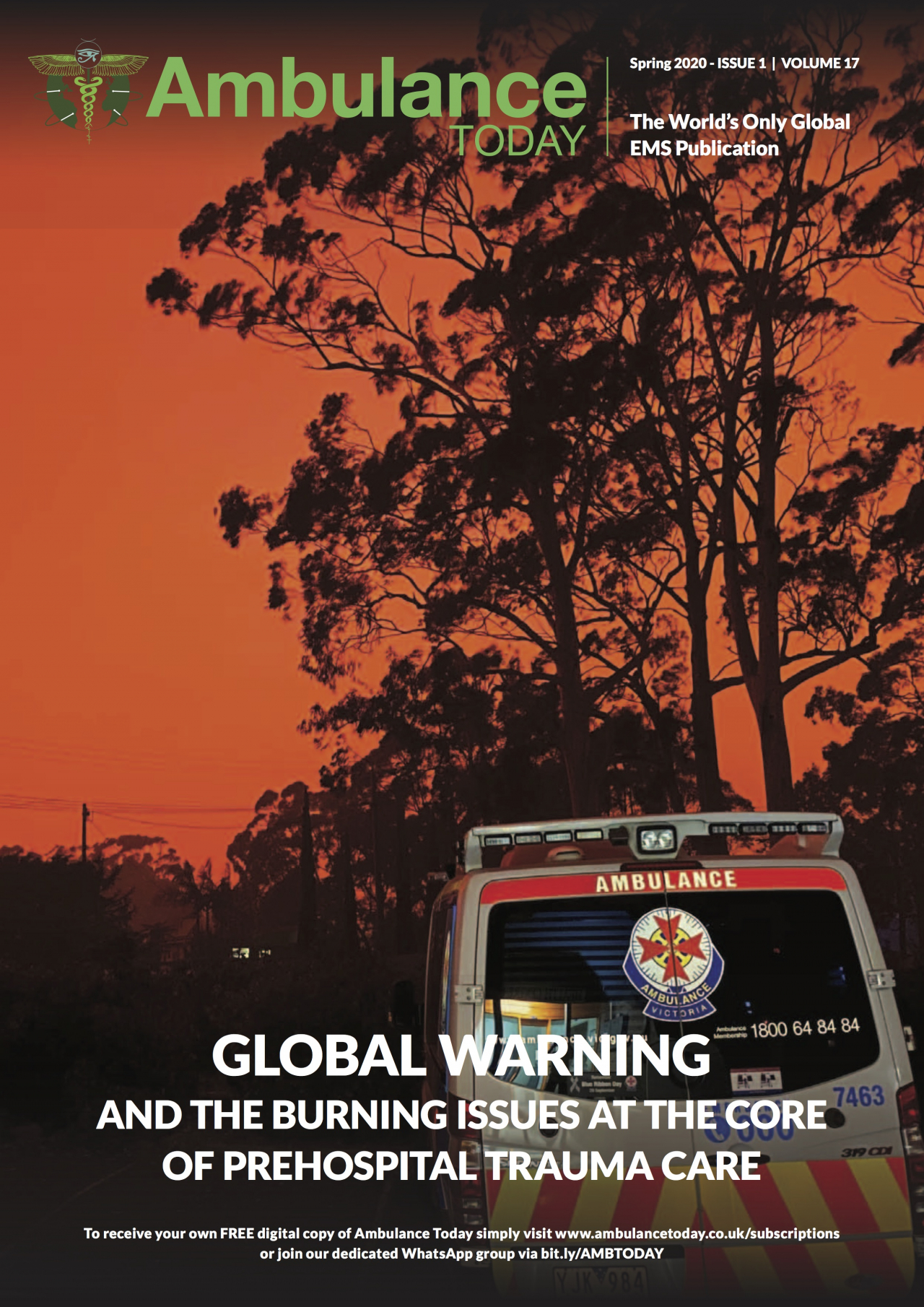
Ambulance Today – Spring Edition 2020

Jam-packed as usual with informative topics on Global Warming, Pharmacology, the return of Tourniquets …and much more

This Africa Quarterly explores Trauma Care – and as per usual we will put the microscope on the African continent, in the search for and the challenge of definitive care. Were we offer an interesting perspective on trauma care within Africa and the true cost of what happens when a shocking 90% of Global injury-related mortality is concentrated within low and medical income.

Click on the link below to download and read the entire magazine (you’re welcome) and of course my article on page 40 & 41

From the Africa Desk of Ambulance Today – Trauma Care in Africa – the Challenge of Definitive Care

Ambulance Today Spring Ed 2020

To all the followers of this page, if you want to see an article written about any specific aspect of Emergency Care on the African continent, or get me to interview a key role player, drop me a mail. Equally, if you have any news items you would like us to run either in our magazine or on our daily-updated global ambulance news website please make contact.

For the readers from Africa, if you wish to advertise or have a free advertorial written up in the magazine, make contact and lets see how I can assist …

To my fellow passionate EMS friends across the world, I trust you are enjoying this journey, as we continue to explore this fascinating continent. Till then be safe out there and stay passionate – Enjoy!

Ambulance Today Spring 2020 cover


Ambulance Today – Winter Edition 2019

The Winter Edition for 2019, has hit the shelves, it’s live now on Ambulance Today.

This main theme of this editions focus, is on voluntary EMS; to give an idea of its many forms and origins around the world and to celebrate those who devote so much of their time to EMS out of nothing more than a heartfelt passion and a deep-seated need to help their fellow man.

As Editor Joe says,with respect to our Africa correspondent: “Michael Emmerich holds a mirror up to the caregiver-patient relationship and offers a deeply interesting and thought-provoking look at how this can affect implicit bias within medical treatment. No matter how perfect your people skills are or how open your mind is, this one is sure to give you some highly useful food for thought.”

Click on the link below to download and read the entire magazine (you’re welcome) and of course my article on page 48 & 49

From the Africa Desk of Ambulance Today: Overcoming Perceived Biases in Treating the Sick and Injured

Ambulance Today Winter Ed 2019

To all the followers of this page, if you want to see an article written about any specific aspect of Emergency Care on the African continent, or get me to interview a key role player, drop me a mail. Equally, if you have any news items you would like us to run either in our magazine or on our daily-updated global ambulance news website please make contact.

For the readers from Africa, if you wish to advertise or have a free advertorial written up in the magazine, make contact and lets see how I can assist …

To my fellow passionate EMS friends across the world, I trust you are enjoying this journey, as we continue to explore this fascinating continent. Till then be safe out there and stay passionate – Enjoy!

Ambulance Today Winter 2019 cover


Ambulance Today – Autumn Edition 2019

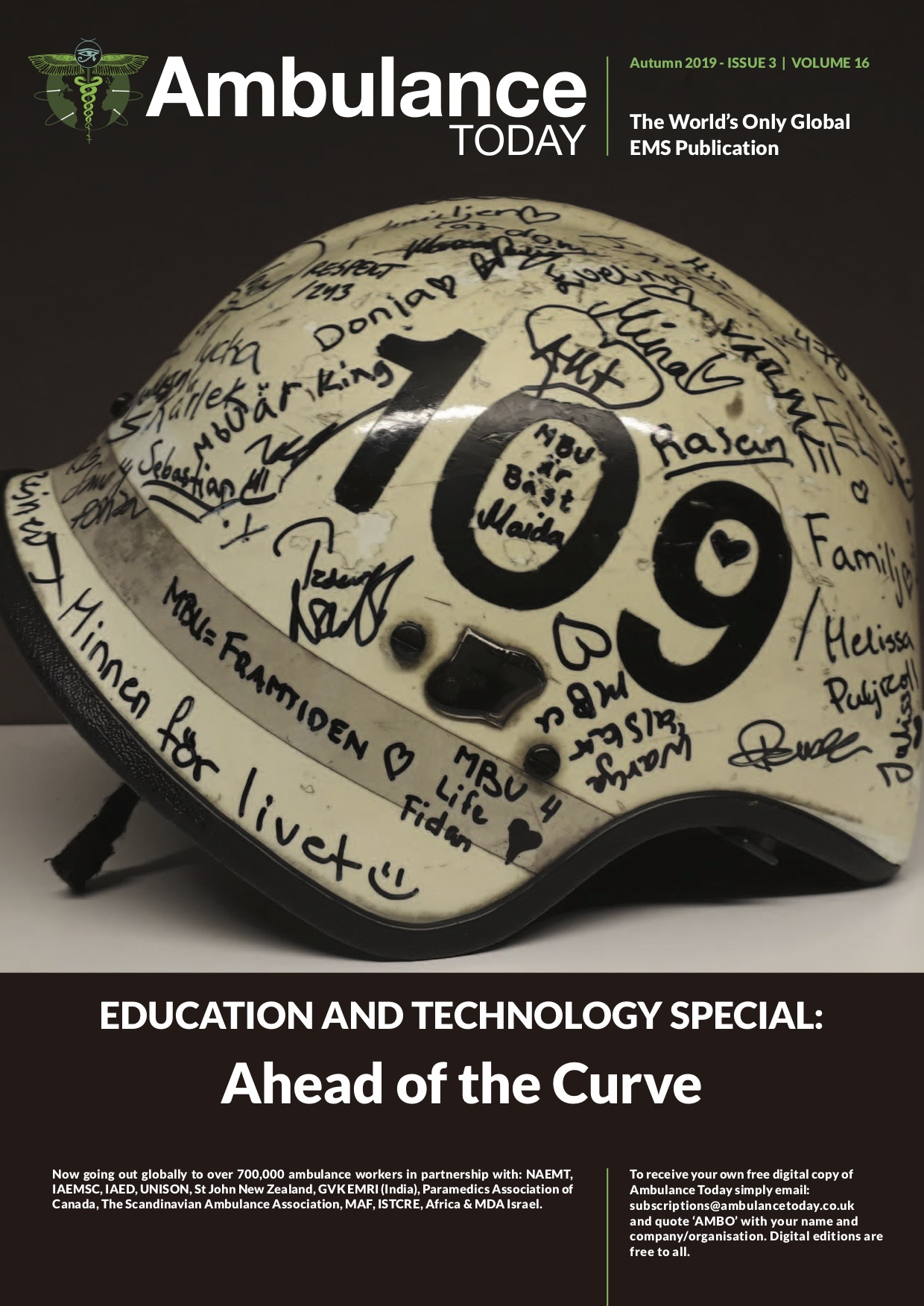
The Autumn Edition for 2019, has hit the shelves, it’s live now on Ambulance Today.

This edition is focused upon technology and education. In so far as technology goes, we take a look at some of the newest innovations currently being introduced to EMS. Specifically here, I would like to mention WoundClot, which is rightly being lauded as one of the most significant life saving advancements in emergency trauma care.

As Editor Joe says: “We hope that you have as much fun delving into this issue as we had in creating it, and that you come away as enriched from the thought-provoking articles inside as we have been in researching and overseeing them.”

Click on the link below to download and read the entire magazine (you’re welcome) and of course my article on page 34 & 35

From the Africa Desk of Ambulance Today: The Challenge of Critical Thinking in EMS

Ambulance Today Autumn 2019

To all the followers of this page, if you want to see an article written about any specific aspect of Emergency Care on the African continent, or get me to interview a key role player, drop me a mail. Equally, if you have any news items you would like us to run either in our magazine or on our daily-updated global ambulance news website please make contact.

For the readers from Africa, if you wish to advertise or have a free advertorial written up in the magazine, make contact and lets see how I can assist …

To my fellow passionate EMS friends across the world, I trust you are enjoying this journey, as we continue to explore this fascinating continent. Till then be safe out there and stay passionate – Enjoy!

Ambulance Today Autumn 2019 cover

Ambulance Today – Summer Edition 2019

The Summer Edition for 2019, has hit the shelves, it’s live now on Ambulance Today. The theme for this quarter is Mental Health and there are interesting articles throughout the magazine dealing with this very real and pertinent issue in EMS. Click on the link below to download and read the magazine and also my article on page 34.

From the Africa Desk of Ambulance Today:
Compassion Fatigue vs Compassion Satisfaction

Ambulance Today Summer 2019

To all the followers of this page, if you want to see an article written about any specific aspect of Emergency Care on the African continent, or get me to interview a key role player, drop me a mail. Equally, if you have any news items you would like us to run either in our magazine or on our daily-updated global ambulance news website please make contact.

To my fellow passionate EMS friends across the world, I trust you are enjoying this journey, as we continue to explore this fascinating continent. Till then be safe out there and stay passionate – Enjoy!

Ambulance Today summer 2019 cover.jpg

Ambulance Today – Spring Edition 2019

The Spring Edition for 2019, has hit the shelves, its live now on Ambulance Today. Click on the link below to download and read the magazine and my article on page 42.

From the Africa Desk of Ambulance Today:
Case Presentation – Electrical Alternans in the field

Ambulance Today Spring Ed 2019 .pdf

For this Africa quarterly, I am discussing a cardiac patient encountered on a remote site in Africa and the unique challenges faced by the paramedic and his support team.

Initial 12 Lead ECG Electrical Alternans.jpg


There is also a special feature in this edition, on interviews with  and I was both honoured and flattered to be included in this article as one – Joe interviewed persons he considers to be key in the regions/Continents of the Globe. You can read about my thoughts on EMS in Africa, the challenges, the way forward and some of my dreams. The Africa interview is on page 30.

GLOBAL CLINICAL EMS SPECIAL:

Around the World in 80 Questions – on pages 11 to 41

To all the followers of this page, if you want to see an article written about any specific aspect of Emergency Care on the African continent, or get me to interview a key role player, drop me a mail. Equally, if you have any news items you would like us to run either in our magazine or on our daily-updated global ambulance news website please make contact.

To my fellow passionate EMS friends across the world, I trust you are enjoying this journey, as we continue to explore this fascinating continent. Till then be safe out there and stay passionate – Enjoy!